the cyclical economy and consumer

the cyclical economy and consumer

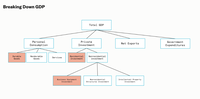
Digesting content from EPB research Changes in the economy stem from a few select categories that contribute to GDP. EPB argues that these three components are the most sensitive to change and other areas of the economy tend to be more sticky/stable. Durable Goods Consumption Residential Investment Business Equipment Investment The consumer spend patterns worth keeping an eye on are just durable goods. The cyclical GDP components swing the most. 80% of the non-cyclical GDP items never contract. It makes some sense to me that these categories are most flexible to change in spending ability of the market. Durable goods like vehicles, refrigerators and long-term items tend to be higher ticket (in dollar value) and consumers are ready to delay this spend in a down-turn. This also applies in a business context where capex items - like heavy machinery, functional equipment and other pp&e is delayed during weakening business conditions. Where to look for signals Financial performance and balance sheet of large cap companies selling durable goods ABS data - housing, autos and capex in general Where are we at today on the consumer? Durable goods spending is flattening through 2025. BNPL purchase volume surges in America as Affirm and Klarna’s U.S. GMV both jump 43%, with consumers turning to installments amid financial strain. Klarna recently secured a $6.5B loan to expand further. Chipotle, Dominos, other QSR restaurants hurt in recent earnings - citing consumer issues in younger demographics. We believe that this guest with household income below $100,000 represents about 40% of our total sales and, based on our data, is dining out less often due to concerns about the economy and inflation. A particularly challenged cohort is the 25 to 35-year-old age group. We believe that this trend is not unique to Chipotle Mexican Grill, Inc. and is occurring across all restaurants as well as many discretionary categories. This group is facing several headwinds, including unemployment, increased student loan repayment, and slower real wage growth. We tend to skew younger and slightly over-indexed to this group relative to the broader restaurant industry. “There’s also a little bit still that bifurcation of the U.S. consumer economy. We have been speaking about it for several quarters now that the top end does much better than the lower end income segments in the U.S. So that’s overall, I think, the picture.” – Booking (BKNG 3.11%↑) CFO Ewout Steenbergen

Dec 06